
My first trip to ViVE started off slow. A cancelled flight due to a blizzard on the East Coast forced a last-minute reschedule, and when the replacement flight hit technical difficulties Sunday evening, we sat on the tarmac for another hour. All of which meant I sadly missed the opening Olympic Winter themed ViVE Reception.
Insights
ViVE 2026 recap

Breakfast at TikTok
Thankfully, Monday morning made up for it. I accidentally found myself at a breakfast hosted by TikTok with fellow MarTech leaders in the healthcare space, serendipitously, exactly where I should be.
Did you know 50% of consumers want to see content from healthcare providers, with the highest interest in women’s health, mindfulness and meditation, alternative medicine, children’s health, and pregnancy?
Even more telling, 54% say TikTok prompts them to learn more about a healthcare topic afterward.
As a provider, don’t you want the content distributed on social platforms to be accurate and from a reputable source? Yet the major hospital from sunny Florida sitting at my table told me after the presentation that they don’t have a presence on TikTok and were pretty sure no one at their organization was even thinking about it.
It spurred a thought-provoking discussion about meeting your audience where they already are, whether that’s through a TV ad or a TikTok video. What TikTok users are looking for is informational, educational content that teaches them something new, a community that embraces them when they’re navigating a diagnosis, and experts who engage with them directly rather than just broadcasting videos.
Sessions and takeaways
From conversational AI to change management to payer transparency, ViVE’s programming covered a lot of ground. Here are the sessions and moments that stuck with me most.
- Julie Durham, Chief Digital Officer at UnitedHealth Group, took the stage alongside Ryan Terry from Google Cloud and Akshay Syal from UCLA Health for How Conversational AI is Reinventing Healthcare Navigation. When Durham referred to AI as a “digital companion” and the “front door to healthcare,” my head whipped up from my phone. Had she bugged the Gradial offices? We call Grady your “digital coworker,” and our entire thesis is that your website should be the front door to your patients’ healthcare experience; it’s a search authority signal, an ADA liability surface, and a trust engine.
- Katie Barr, Chief Nursing Informatics Officer at Advocate Health, discussed how “the technology will change the workflow” and emphasized “fail fast and scale fast” during Organizations at the Frontier: Where AI Meets Human Ambition to Transform Healthcare. This is where I think agencies, systems integrators, and consultancies should be pivoting. Implementation and managed services will look fundamentally different for agentic platforms, and the real opportunity is in helping organizations shift people into new roles and new ways of working rather than simply reducing headcount.
- Jonathan Slotkin (Geisinger), Mark Michalski (Deerfield), Michelle Snyder (McKesson Ventures), and Erica Murdock (Unseen Capital) all echoed the same theme during One Problem, 99 Solutions: deliver value. It’s a focus we share at Gradial, which is why we’re proud to showcase testimonials like the ones from T-Mobile and AWS. If you’d like to see a few from the healthcare space that I can’t share publicly, send me a direct message.
- Ashok Chennuru, Chief Data and Digital AI Transformation Officer at Elevance Health, reinforced this in a separate session, framing it as “solving for value” and “scalable value-based care.” What matters most, he said, is the workflow, the integration, and the reinforcement and feedback loop. His advice: get clarity on value, focus on impact and adoption, and move beyond the technology’s hype.
- Julie Yoo boldly stated that ACCESS is “bringing sexy back to Medicare.” The initial launch has been met with mixed reviews, including low payments and a high bar for performance, but it’s a technology-forward approach that moves the industry in the right direction.
- Ali Khan (Aetna), Kay Judge (Blue Shield of California), and Syed Mohiuddin (Anthropic) joined moderator Rae Woods for State of the Payer Industry: Regulation, Redetermination, and the Race Toward Tech-Enabled Transparency. My favorite session of the week, which spoke to my heart and was perhaps the spiciest, was the payer transparency panel. Because what AI truly brings to the table is transparency, and a lack of transparency is at the core of what's been broken in healthcare. The session is only 30 minutes and frankly, rapid-fire. If you didn't catch it, I highly recommend looking it up the on-demand on ViVE's app or website.
What it all comes back to
One theme kept surfacing across every session I attended: focus on the problem, not the technology.
One reason many providers and startups have tripped up is that they’ve focused too much on the technology and not enough on the problem it solves. For example, I could tell you that Gradial automates website changes and integrates with technologies like Adobe Experience Manager. But what we’re really solving is the problem of finding CMS-mandated language across all sites for revised Medicare plans with county-level variations, enforcing brand, compliance, and accessibility guardrails before publish, and reducing manual QA and repetitive review cycles to accelerate controlled publishing during the Annual Enrollment Period. That’s not just faster updates; it’s a more resilient Medicare digital operation that handles regulated change at scale, without the chaos.
I’d love to hear what you think. Will you be at HIMSS next week? Book time with me here.
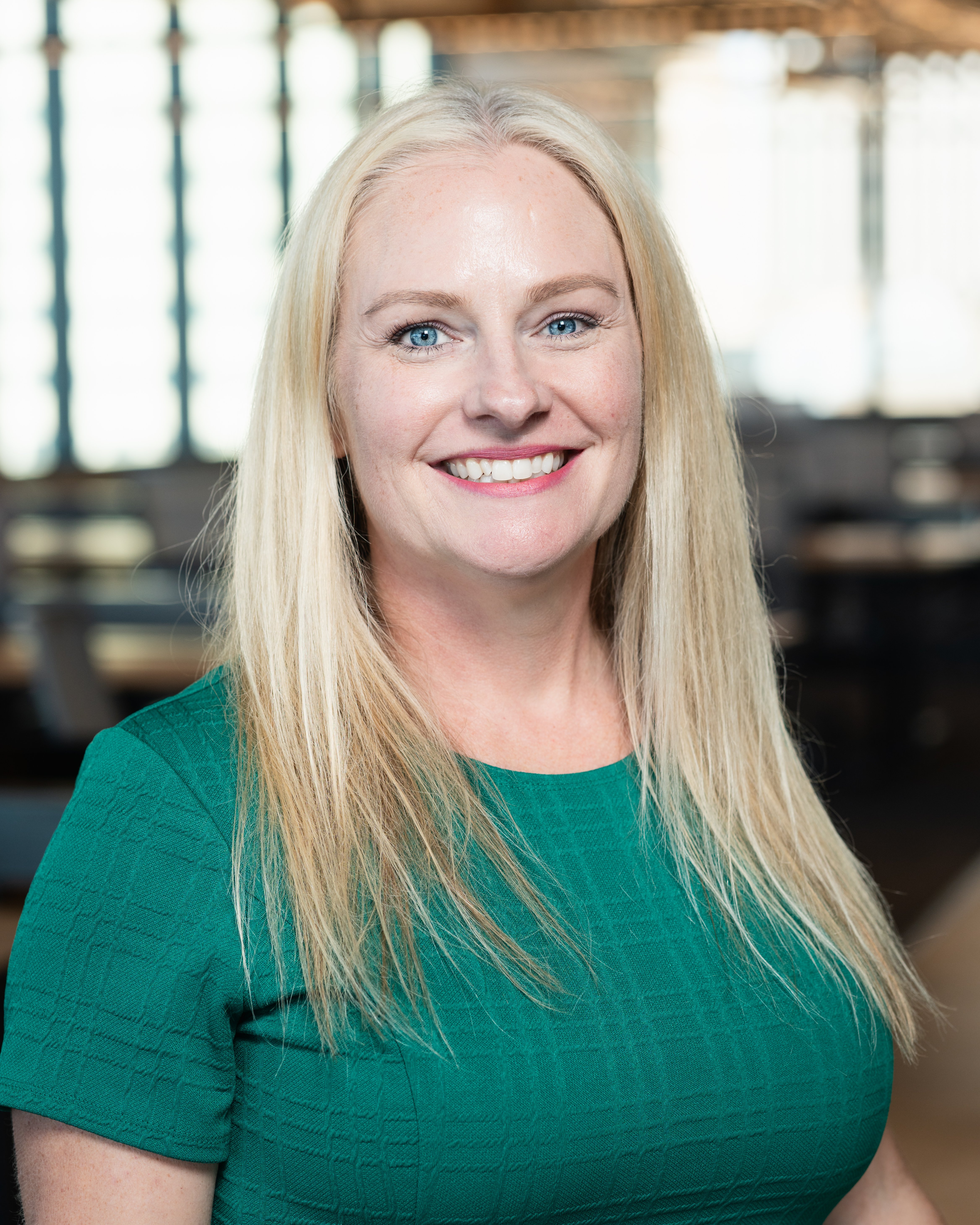
Cara Olson
Industry Lead, Healthcare & Life Sciences
Cara is an industry leader at Gradial, focused on Health and Life Sciences brands. She is partnering with payers, providers, and pharmaceutical, bio, and life sciences companies like Kaiser Permanente, GSK, and Mayo Clinic, to transform their marketing and content operations workflows. She finds it rewarding to give marketers joy back in their jobs by centering their initiatives on patients and providers rather than on tedious tasks to complete website updates.