




Content operations teams
Turn recurring tagging, metadata cleanup, and alt-text work into governed execution instead of permanent backlog.
Asset Metadata Management
Gradial audits and improves tags, metadata, and alt text across defined sections of your site and asset library. Agents handle the repetitive work in connected systems while your team keeps control of taxonomy, exceptions, and approval.
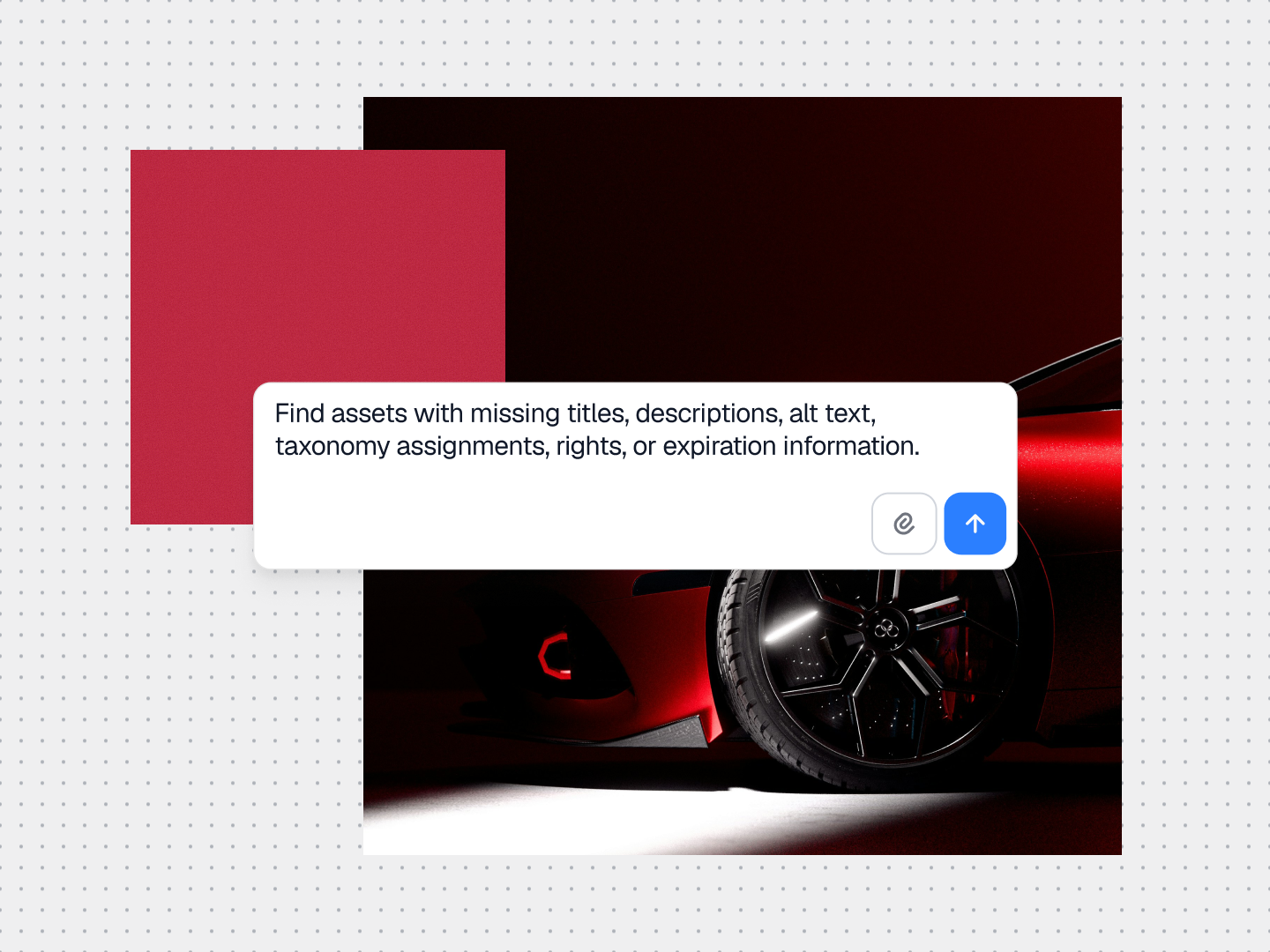
This page is for teams responsible for the quality and usability of asset metadata. Broader asset ingestion, migration, routing, and campaign reuse remain covered by Asset Execution.
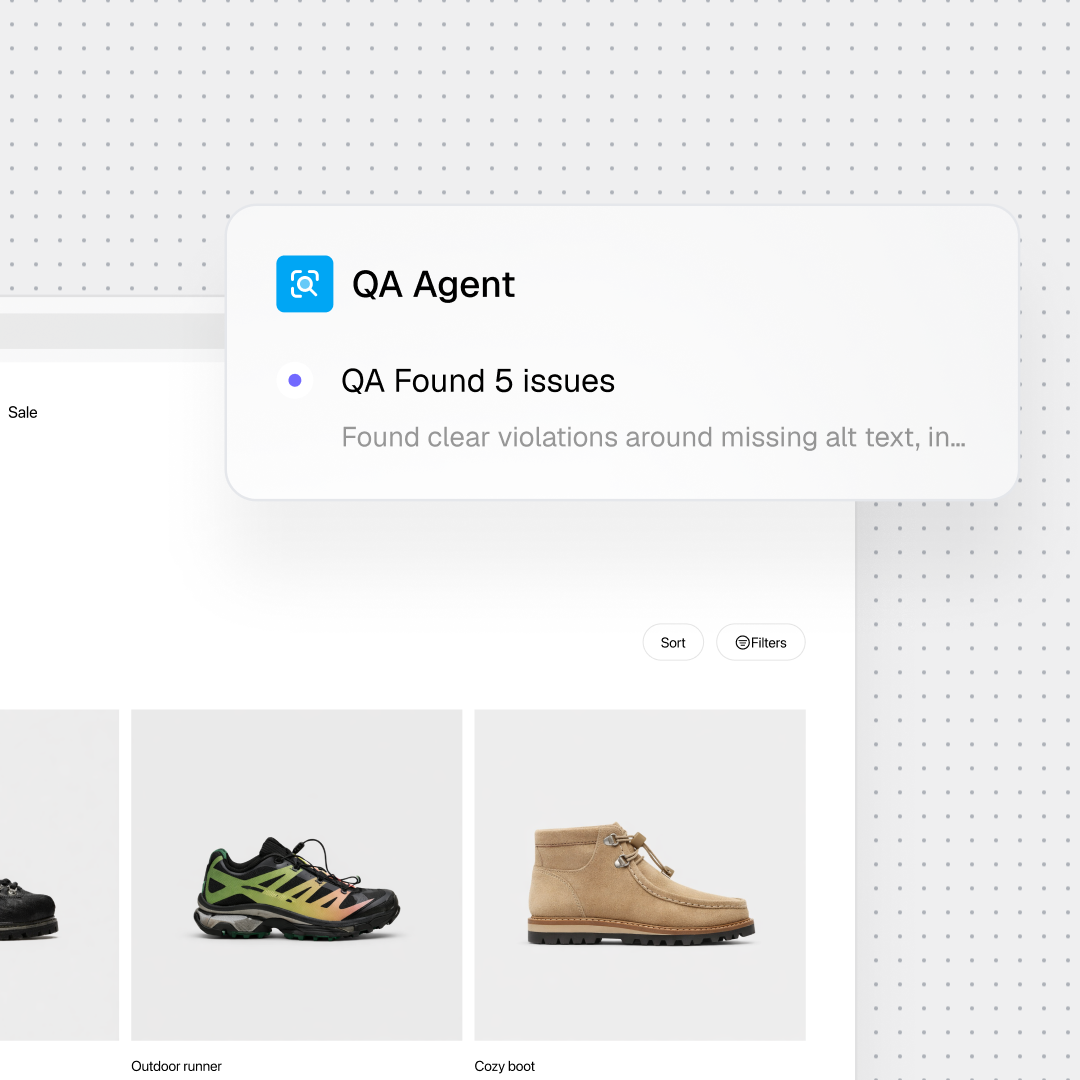
Turn recurring tagging, metadata cleanup, and alt-text work into governed execution instead of permanent backlog.
Improve the metadata that supports search, retrieval, reuse, personalization, and downstream content operations.
Apply controlled vocabularies more consistently across repositories while keeping exceptions visible for expert review.
Gradial turns asset hygiene into a repeatable workflow across connected DAM, CMS, and work management systems. Your standards define the work, and your team decides what moves forward.
Choose the repositories, folders, pages, and fields in scope. Gradial identifies missing or inconsistent tags, metadata, and alt text within that defined scope.
Gradial drafts tags, metadata values, and alt text using your controlled vocabulary, brand language, and task instructions.
Reviewers approve proposed values and resolve exceptions through the gates configured for the workflow.
Approved values are applied in connected content and asset systems, with task history that records the execution.
Run the same governed process for new batches and priority sections so metadata quality becomes ongoing operations instead of another periodic cleanup project.
Natixis used Gradial for recurring content operations across a large web estate. The published results show the operating leverage available when tagging and alt-text work moves into a governed execution flow.
Bulk tag updates moved from around ten minutes to roughly three minutes per page.
Natixis updates around 5,000 pages annually without adding headcount.
Image alt-tag audits improved by about two times as fixes became part of the ongoing workflow.
Across its recurring content operations, Natixis removed roughly 600 hours of low-value work each year.
Asset metadata is operational content. Gradial keeps the standards, review steps, and execution record inside the workflow so scale does not require giving up editorial control.
Use your existing vocabulary and metadata requirements as inputs to the task instead of accepting a generic tagging model.
Configure human review for proposed tags, metadata, and alt text before approved values are applied.
Use task history and execution records to understand what ran, what required review, and what was approved.
Generated alt text supports accessibility work but does not certify conformance. Qualified reviewers remain responsible for accessibility decisions and legal requirements.
Connect asset metadata work to the repositories, design tools, source documents, and work systems your team already uses.
AEM Sites & Assets
Bynder
Figma
SharePoint
Jira
Workfront
Wrike
Start with a defined batch, route proposed values through the review gates your team chooses, and expand after reviewers are comfortable with the results.