





The same campaign gets rebuilt
Regional teams rebuild pages and channel content from the same direction because the approved source is not carried through the rollout.
The campaign may start from one brief, but execution quickly splits into separate builds, translation handoffs, asset searches, review queues, and quality checks for every market.
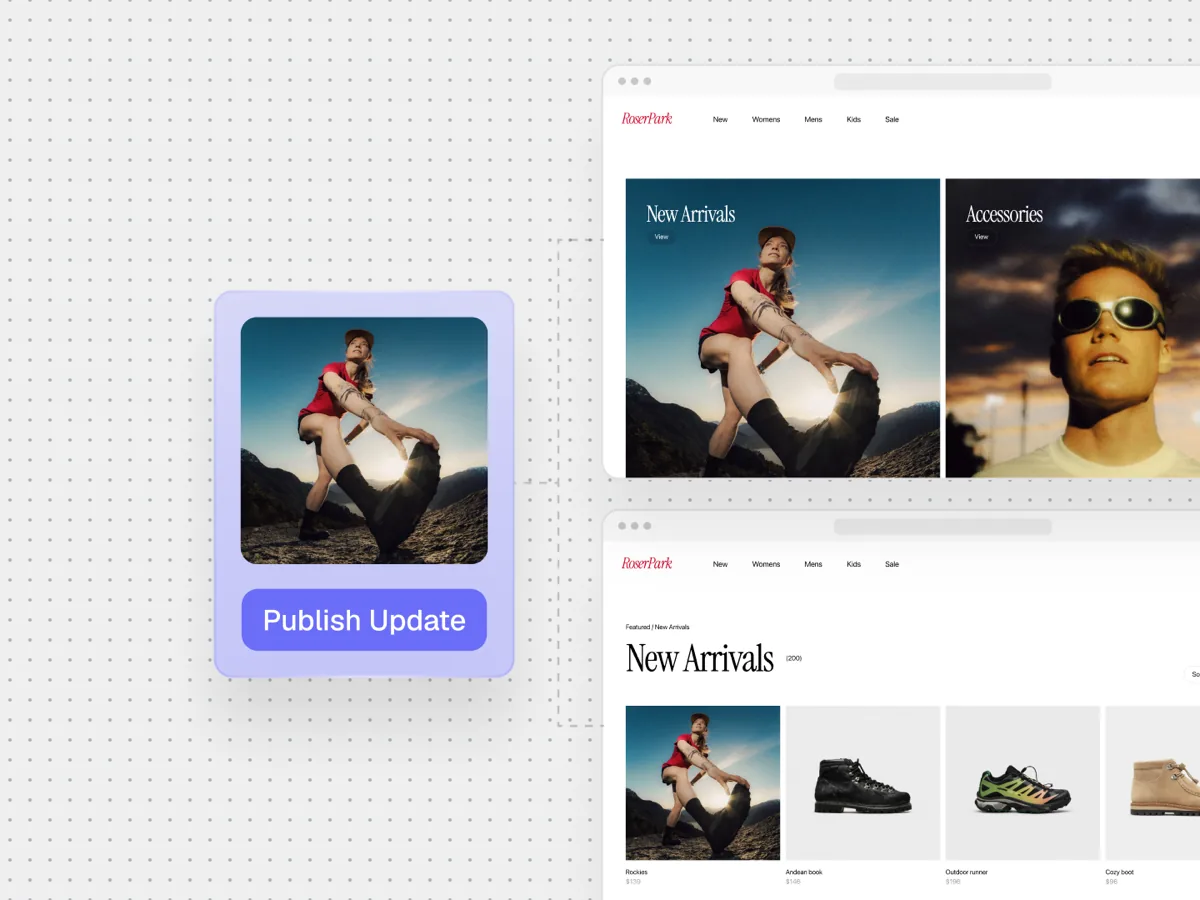
Regional teams rebuild pages and channel content from the same direction because the approved source is not carried through the rollout.
Copy leaves the production flow for translation, then returns for placement, formatting, review, and another round of corrections.
Teams hunt for approved regional imagery, offers, disclosures, and product assets, then manually confirm that every placement uses the right version.
Central brand, local teams, channel owners, and web operations repeat overlapping checks because each handoff creates another chance for context to disappear.
Gradial keeps the brief, brand rules, market requirements, and approved assets attached throughout execution. Translation and localization happen inside the rollout, which removes avoidable handoffs, queues, and repeated quality checks before release.
Gradial builds the lead-market experience in your CMS from the approved brief, components, content structure, metadata, and campaign requirements.
Language, offers, disclosures, metadata, and calls to action are translated and localized as each market version is created.
Each version uses the approved imagery, product assets, and regional creative selected for that market from your connected asset systems.
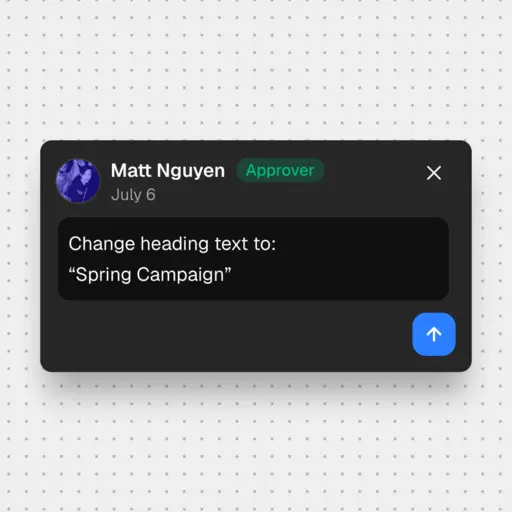
Shared brand rules and local requirements stay attached to the work, so reviewers see the version, differences, and exceptions they are responsible for approving.
Once required reviewers approve, Gradial moves the market-ready work toward release without sending it through another production queue or duplicate QA cycle.
Approved messaging, design components, terminology, assets, and campaign requirements provide the common source for every market version.
Local legal lines, offers, imagery, language, and channel requirements are applied as part of each market build, not left for a final cleanup pass.
Each market owner reviews the version they are accountable for. Central teams can focus on shared standards and exceptions rather than rereading unchanged content.
Task history connects the source brief, generated versions, review decisions, and launch actions so teams can trace how each market reached approval.
Move one approved launch plan through agencies, regional teams, web operations, channel owners, and local reviewers without losing the original direction.
Replace repeated page assembly, asset swaps, metadata work, and status chasing with one governed execution flow.
Keep the shared standard visible while making local requirements and exceptions concrete before each market approves.
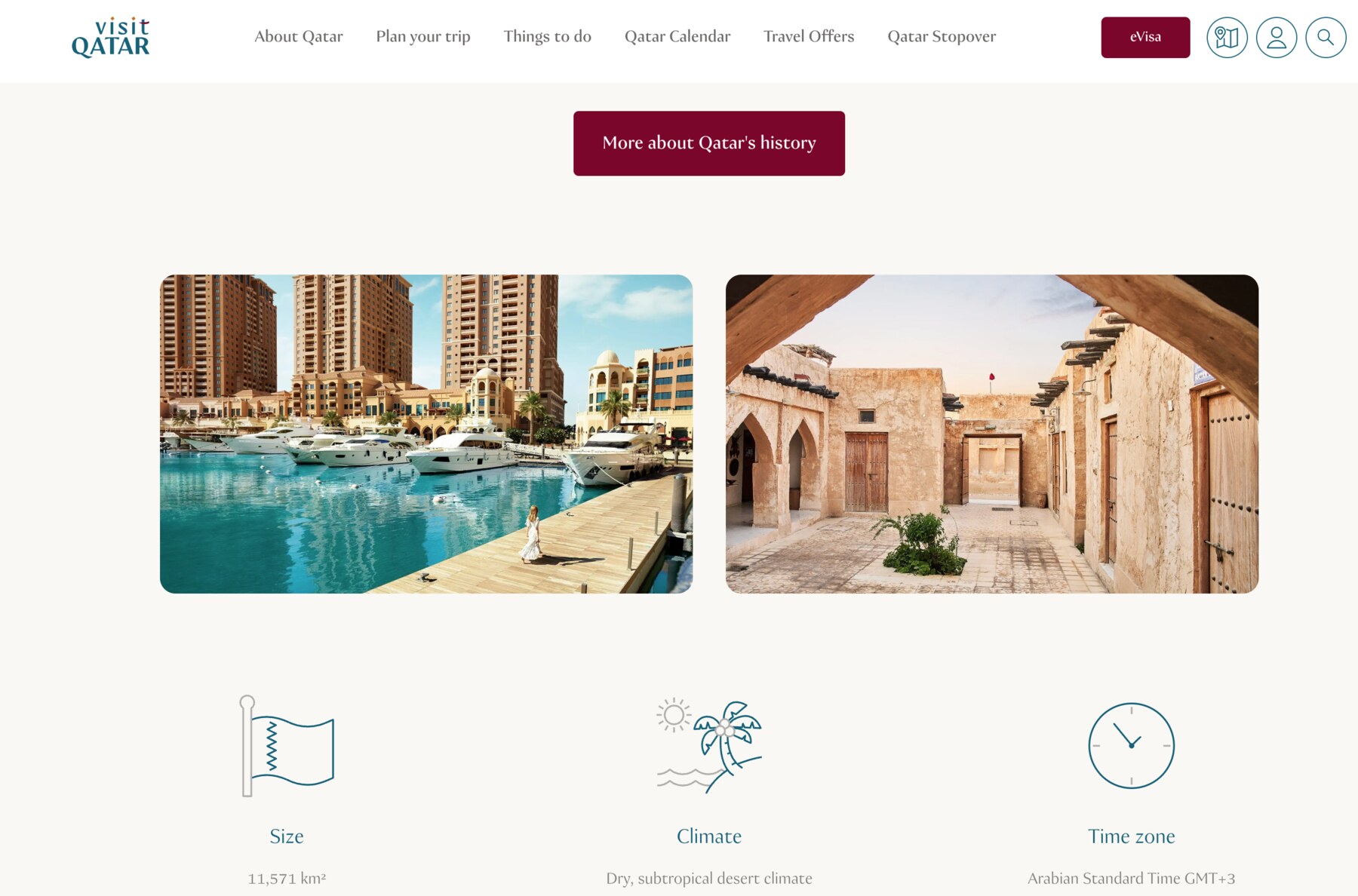
Visit Qatar used Gradial to create hundreds of event content fragments from one spreadsheet, reducing weeks of manual entry to minutes of governed execution. Across its digital execution work, the team reports 60 to 70% faster time to market and roughly 99% execution accuracy.
Gradial connects campaign execution across the CMS, DAM, design, ticketing, email, and workflow systems your global and regional teams already use.
AEM Sites & Assets
Sitecore
Bynder
Figma
Jira
Workfront
Wrike
Marketo
SFMC
That is the point of adaptation over duplication. Offers, disclosures, language, imagery, and channel requirements become inputs to the market build, and the responsible market owner reviews the result before release.
Central brand defines and approves the shared campaign baseline. Gradial applies that context to each market version and surfaces the differences, so central reviewers can focus on exceptions while local owners retain release authority.
No. Start with one real campaign and two or three markets. Prove the brief, adaptation, approval, and launch flow, then add markets and channels without replacing the systems already running the work.
Website translation and localization focuses on converting and adapting site content for another language or locale. Multi-market campaign rollout coordinates the complete campaign job across pages, assets, offers, reviews, channels, and release timing.