




Duplicate files hide the approved asset
Multiple versions and naming conventions make it hard to tell what should move and what should stay behind.
Asset migration and DAM cleanup
Gradial agents move asset libraries between systems, while finding duplicates, normalizing metadata, and validating every batch before it lands. Your team decides what moves and approves the mappings, while Gradial does the repetitive work in between.
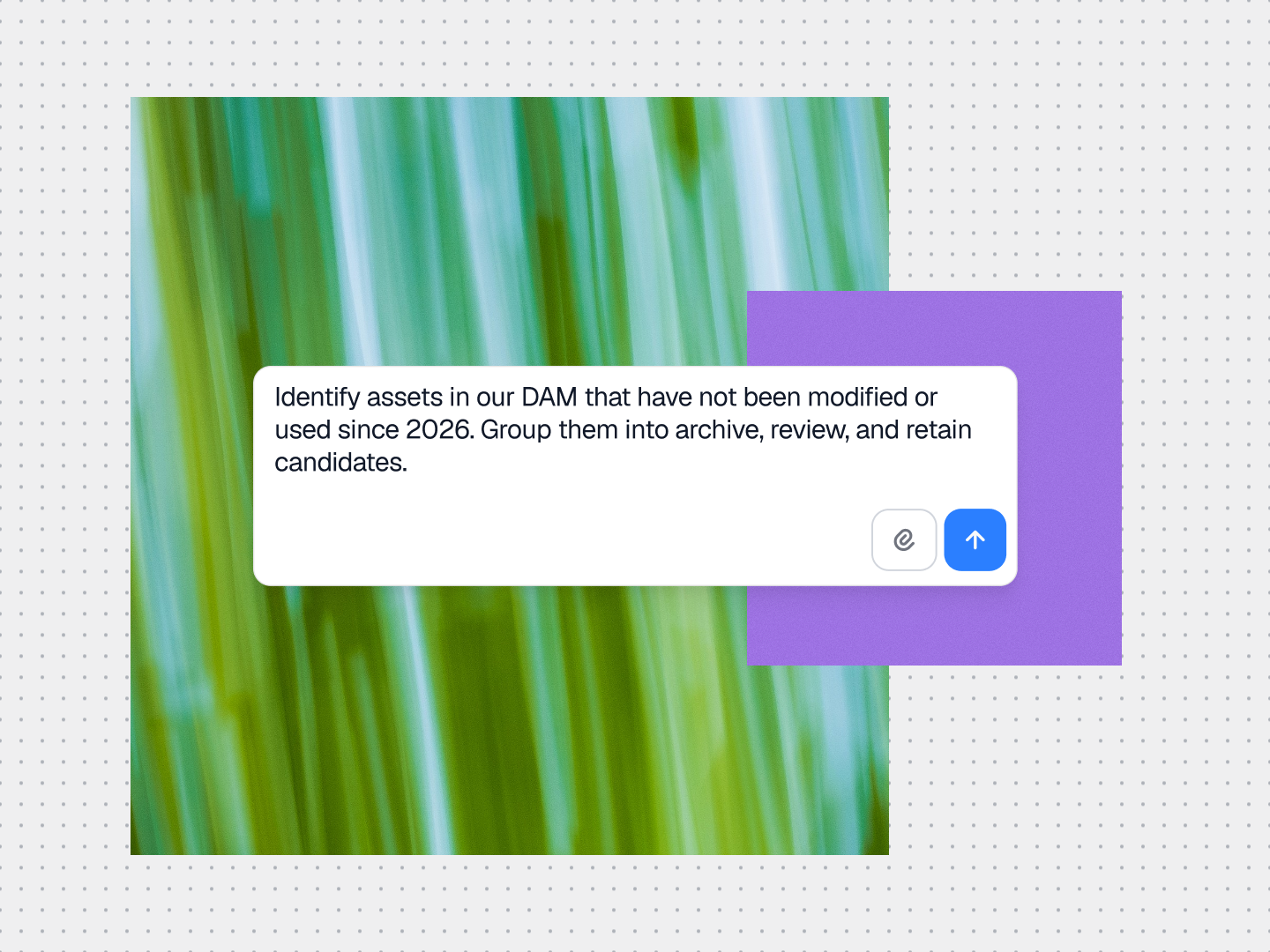
Migration exposes the decisions teams have postponed: which files are current, which metadata can be trusted, and which taxonomy the destination should use.
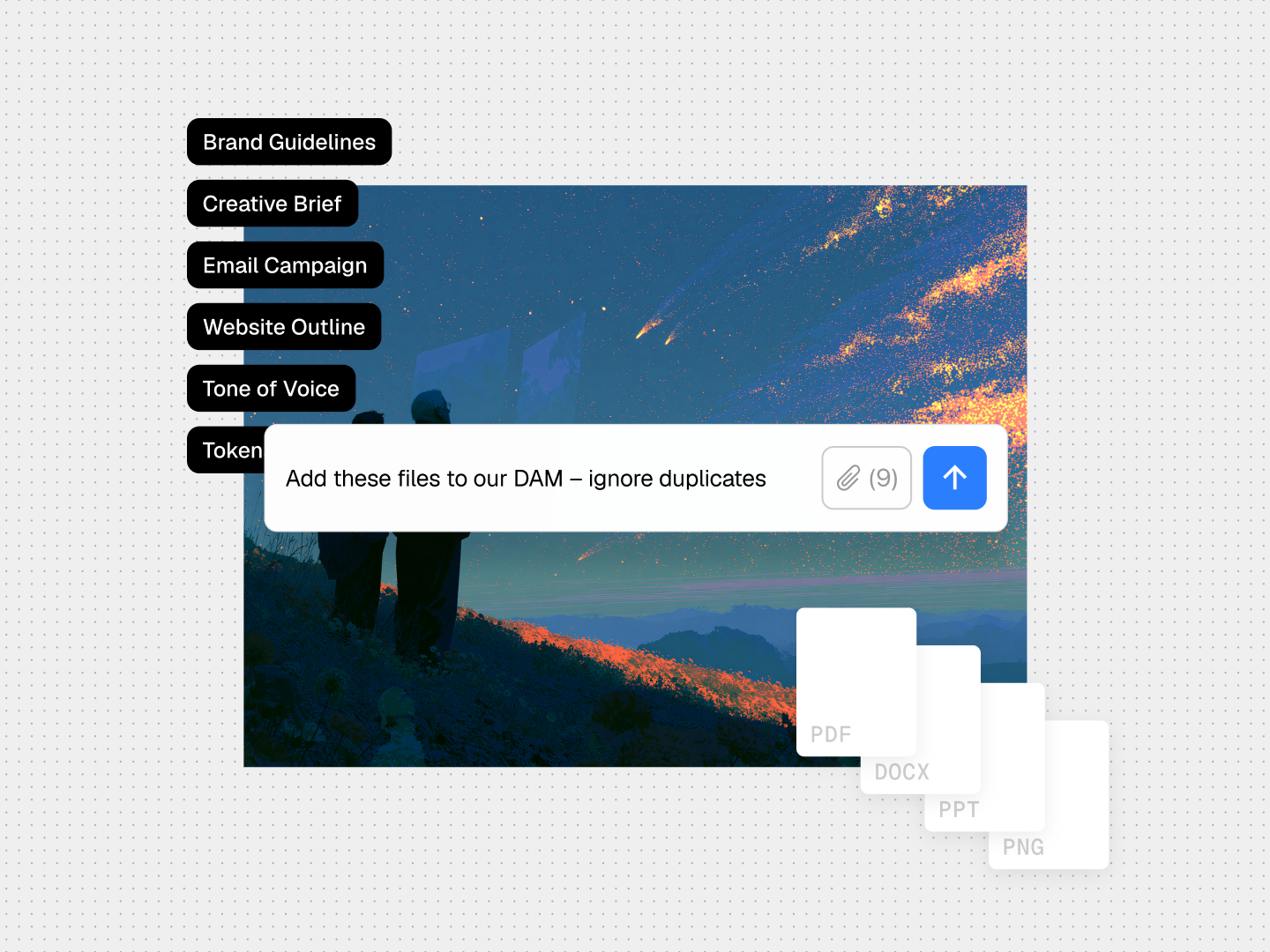
Multiple versions and naming conventions make it hard to tell what should move and what should stay behind.
Source tags, titles, folder logic, and custom fields rarely match the destination taxonomy one to one.
Teams need confidence that files, references, and required metadata arrived correctly before they can sign off.
Gradial handles the operational work across inventory, cleanup, transfer, and validation. Your team sets the scope, resolves exceptions, and signs off on each batch before it advances.
Gradial indexes the in-scope library, groups potential duplicates, and surfaces assets that need a keep, merge, archive, or investigate decision.
Source tags, titles, folders, and custom fields are mapped to the target taxonomy. Missing or ambiguous values are routed for review instead of silently copied.
Approved assets and metadata move in controlled batches so owners can inspect the change set before the next group advances.
Gradial checks in-scope files and required metadata against the migration plan, then flags missing, unresolved, or mismatched items for a human decision.
Task history captures the work performed, exceptions raised, and approvals completed, so teams can review how each batch was handled.
Move from competing naming conventions and unclear versions to a reviewed destination model with explicit cleanup decisions.
Reduce the manual inventory, field mapping, transfer, and validation work that turns consolidation into a multi-quarter project.
Give marketers a cleaner library where approved assets and useful metadata are easier to find without asking a person every time.
Natixis shows the impact of governed metadata operations at scale. These results support the cleanup work around a migration, not a claim about migration speed.

Natixis reduced bulk tag updates from around ten minutes to roughly three minutes per page.
The team can maintain metadata across a large digital surface without adding headcount.
Low-value operational work moved off the team so marketers could focus on strategy, quality, and speed to market.
Gradial works across DAM, content, design, and workflow systems so migration decisions stay connected to the teams and context behind them.
AEM Sites & Assets

Bynder
SharePoint

Figma

Jira

Workfront
Not if cleanup is included in the migration plan. Gradial can help map source fields, identify gaps and conflicts, and route uncertain values for review before approved metadata moves.