Gradial home
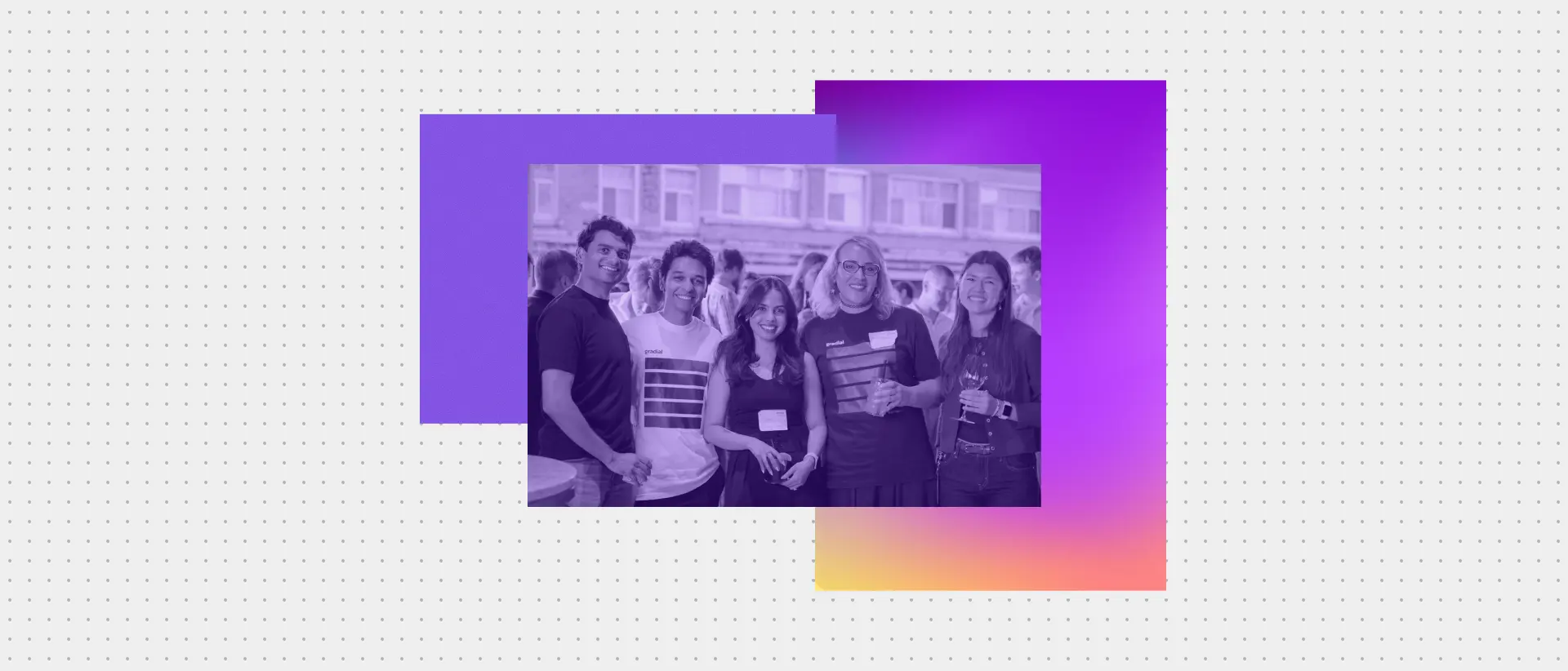
Five attendees smiling together at Gradial’s Ship Code at Sunset event during Seattle Tech Week 2026.
All blogs
EventsAug 6, 2026

Ship Code at Sunset: Inside Gradial’s Seattle Tech Week Hackathon

Gradial
Events

Four hours. Dozens of engineers. $8,000 in prizes. One hackathon designed to replace the usual open-ended build prompt with a live, structured competition.

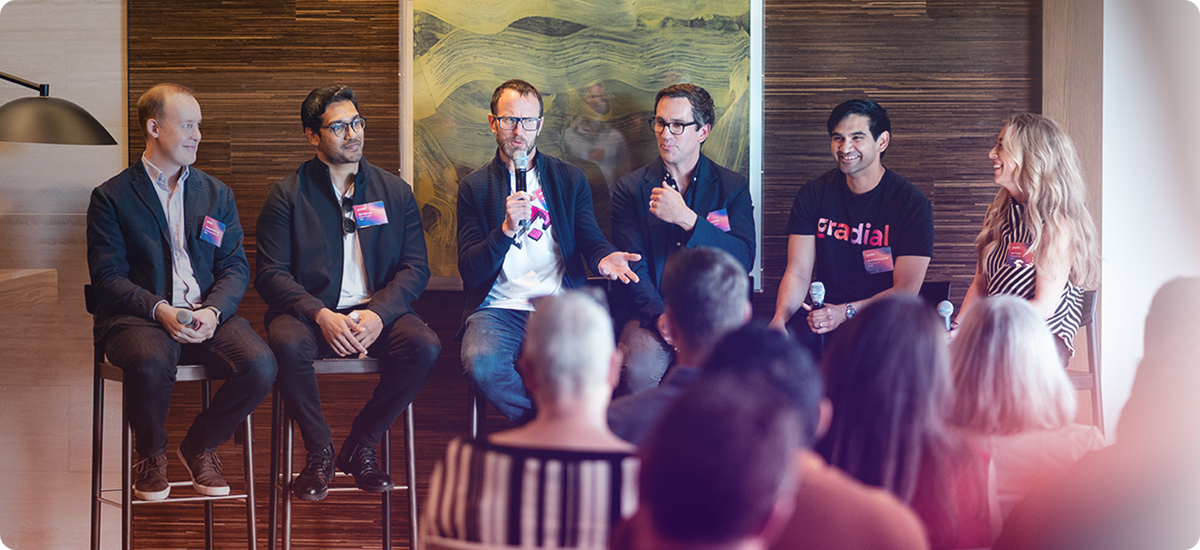
During Seattle Tech Week 2026, Gradial brought engineers from across Washington to the Charter Hotel for Ship Code at Sunset, a gameshow-style hackathon followed by a sold-out rooftop party at The Fog Room. Some participants traveled from as far as Walla Walla to build, compete, and connect with Seattle’s engineering community.
A hackathon built around the challenge

Traditional hackathons often begin with a broad category and end with a project that never makes it beyond demo day. Gradial’s engineering team wanted a different kind of experience: one with a clear structure, visible momentum, and problems that evolved as participants worked.

Competitors moved through a multi-round quest with a live scoreboard and agentic problem sets that unfolded in real time. The format rewarded fast thinking and strong engineering fundamentals without requiring prior experience with large language models or agentic systems.

“The Gradial engineering team set out to build a hackathon unlike anything in the typical tech event circuit. Where most competitions hand participants a vague prompt and a category and say ‘now build something,’ Gradial wrapped the challenge in a gameshow format: structured rounds, a live scoreboard, and agentic problem sets that unfolded in real time.”

Kamil Michnicki, Gradial engineer and hackathon lead

Competitive coding, without the usual pressure

The structure gave participants a reason to stay focused on the problem in front of them rather than spend the afternoon deciding what to build. It also created room for teams to learn from one another as the competition progressed.

“I don’t really love traditional hackathons because it’s just trying to build something that most likely gets scrapped by the end of the day, which is a lot of the reason why I decided to come to this one. It’s like competitive coding, but not as stressful. It’s pretty unique, and hopefully it’s something similar next time.”

Mike Zhang, second-place winner

That reaction captured what the team hoped to create: a serious technical challenge that still felt welcoming, social, and worth the trip.

A team formed on the spot

The third-place team came together organically on the day of the event. They named themselves “Walla Walla” after one member made the six-hour bus ride from Eastern Washington specifically for Seattle Tech Week.

“This is such a unique hackathon experience. I came here expecting, oh, just design a project. But Gradial had a whole different agentic-based problem-solving setup.”

Nick Twum, third-place winner

Across the room, AI engineers, full-stack builders, and product-minded hackers brought different experiences to the same set of challenges. The shared format made those differences useful, giving participants a common problem space and a clear way to measure progress.

From fast builds to a full rooftop

When the final round ended, the community moved upstairs. A sold-out after-party at The Fog Room closed the evening with rooftop views, new connections, and a chance to keep the conversations going beyond the scoreboard.

Ship Code at Sunset was built as both a technical competition and a community moment. It gave Seattle engineers a fresh format for testing their skills, meeting peers, and getting closer to the people building Gradial.

Gradial is actively hiring software engineers who want to work on the operational systems that move enterprise marketing from brief to live.

Learn more about Gradial